
LYMPHATIC MASSAGE
A targeted, hands-on approach supporting lymphatic flow, swelling reduction and post-treatment recovery.
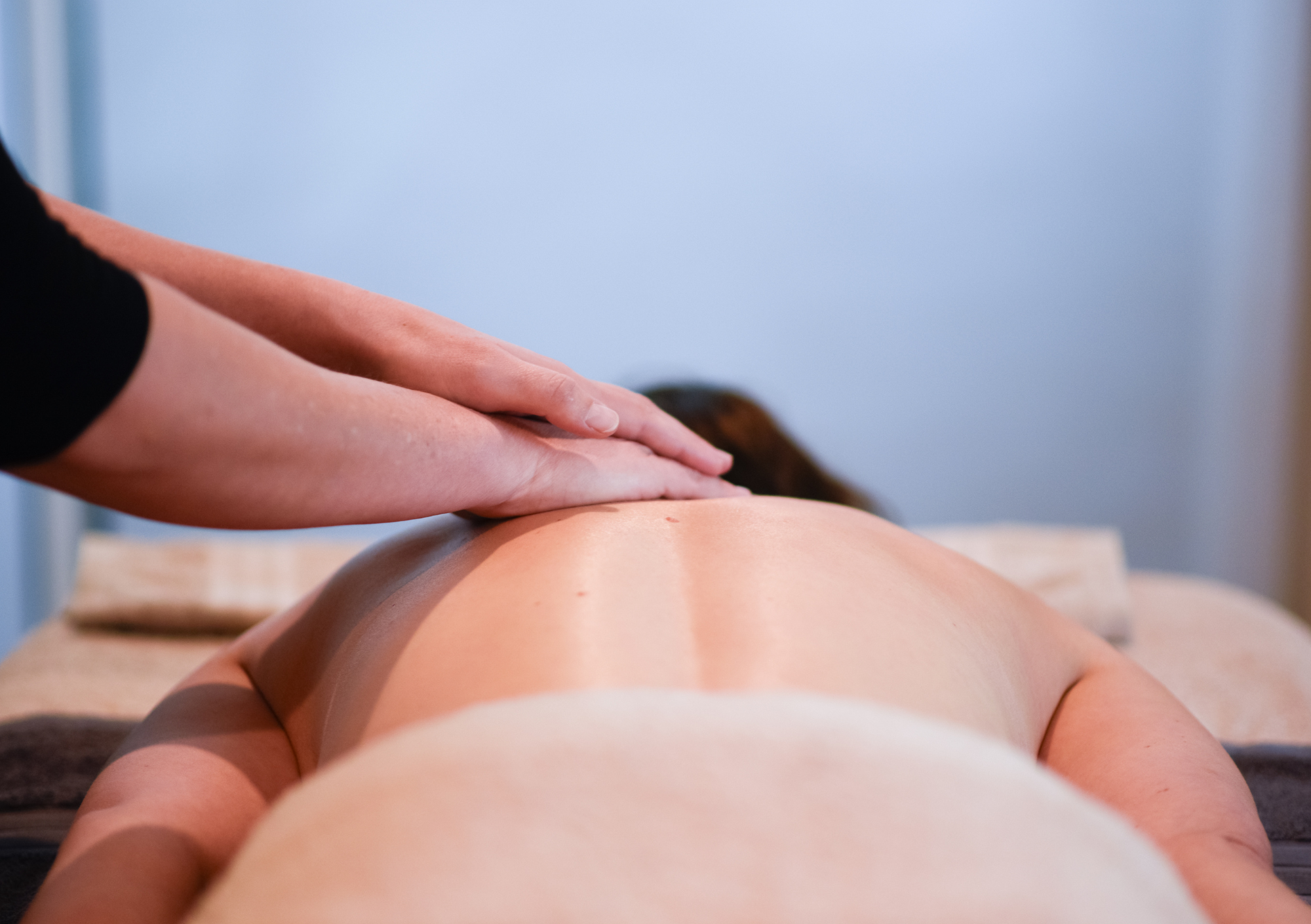
A clinical approach to lymphatic care
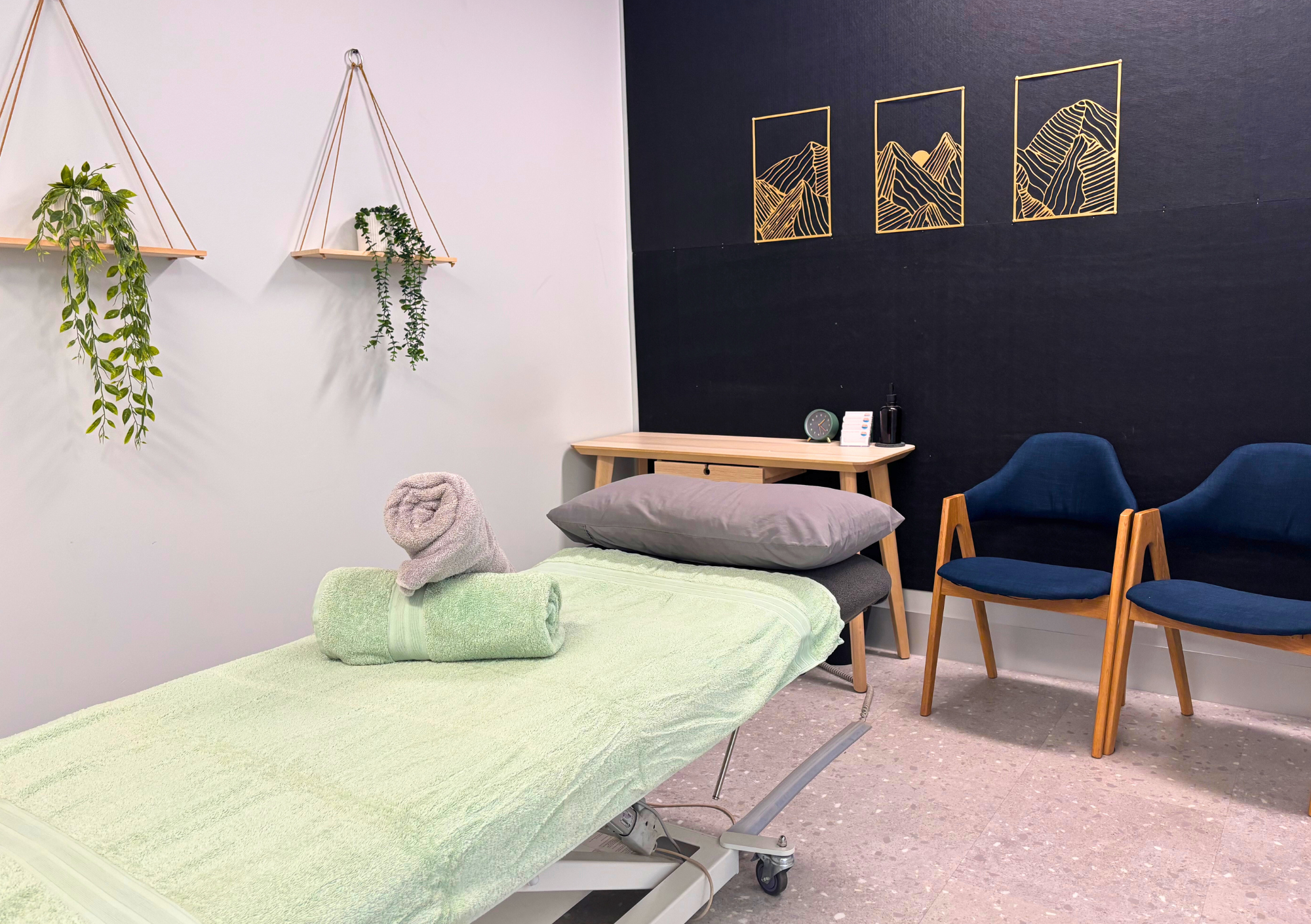
Lymphatic massage at Holistic OM is delivered by practitioners with specific training in manual lymphatic techniques. It differs significantly from relaxation or remedial massage and follows established anatomical pathways to support lymphatic transport and tissue recovery.
The lymphatic system plays a key role in fluid regulation, immune function and healing. Unlike the circulatory system, it does not have a central pump and relies on movement, breath and manual input to assist fluid movement.
When lymphatic flow is reduced or disrupted (eg following surgery, injury, inflammation, oncology treatment or prolonged immobility) fluid may accumulate within tissues. This can present as swelling, heaviness, restricted movement or delayed recovery.
Sessions are structured, low-pressure and rhythmical, with techniques applied in a precise sequence that supports drainage while respecting surgical sites, medical context and stage of healing.
The focus is on supporting tissue health and recovery in a way that is clinically appropriate and responsive to the individual.
What to expect
Lymphatic massage sessions are structured and systematic. Treatment follows established lymphatic pathways, typically beginning with areas that support central drainage before progressing to regions where fluid accumulation is present.
Techniques involve light, controlled and rhythmical movements applied to the surface layers of the skin. Unlike remedial or deep tissue massage, the intention is not to work into muscle, but to stimulate superficial lymphatic vessels in a way that supports fluid movement.
Sessions are adapted to the individual’s medical history, surgical timelines, oncology care plans or injury recovery stage. Positioning, pace and treatment areas are adjusted to ensure safety and comfort throughout.
Communication remains central to each session, allowing care to be responsive to sensitivity, fatigue levels and overall presentation on the day.
Experiences that bring people to Lymphatic Massage
People seek lymphatic massage in a range of medical and recovery contexts where fluid balance, swelling or tissue congestion are contributing to discomfort or delayed healing.
It is commonly considered following:
Surgery, including orthopaedic, abdominal, cosmetic or reconstructive proceduresJaw tension, facial pain or TMJ-related discomfort
Oncology treatment, where medically appropriate
Injury or trauma resulting in persistent swelling
Lymph node removal or disruption
Inflammatory conditions affecting fluid regulation
Periods of prolonged immobility
Chronic fluid retention or heaviness in the limbs
Some people are referred by their GP, specialist or surgeon. Others seek lymphatic massage independently when swelling, discomfort or restricted movement has not resolved as expected.
Care is adapted according to medical guidance, stage of healing and individual presentation.
Is Lymphatic Drainage Massage right for me?
Lymphatic massage may feel supportive if you are experiencing swelling, fluid retention or heaviness following surgery, injury or medical treatment, and are looking for care that works with the body’s natural recovery processes.
Because the techniques are light, precise and rhythmical, sessions are generally comfortable and well tolerated. Treatment is adapted to your stage of healing, overall health and individual presentation on the day.
Many people choose lymphatic massage when recovery feels slower than expected, or when swelling is affecting comfort, mobility or confidence. Others seek it as part of ongoing tissue support during periods of physical change or increased demand on the body.
Care is guided by clinical training, experience and close attention to how your body is responding throughout the session.