
CRANIAL OSTEOPATHY
A subtle, whole-person form of hands-on care that supports regulation, balance and the body’s own capacity to settle.
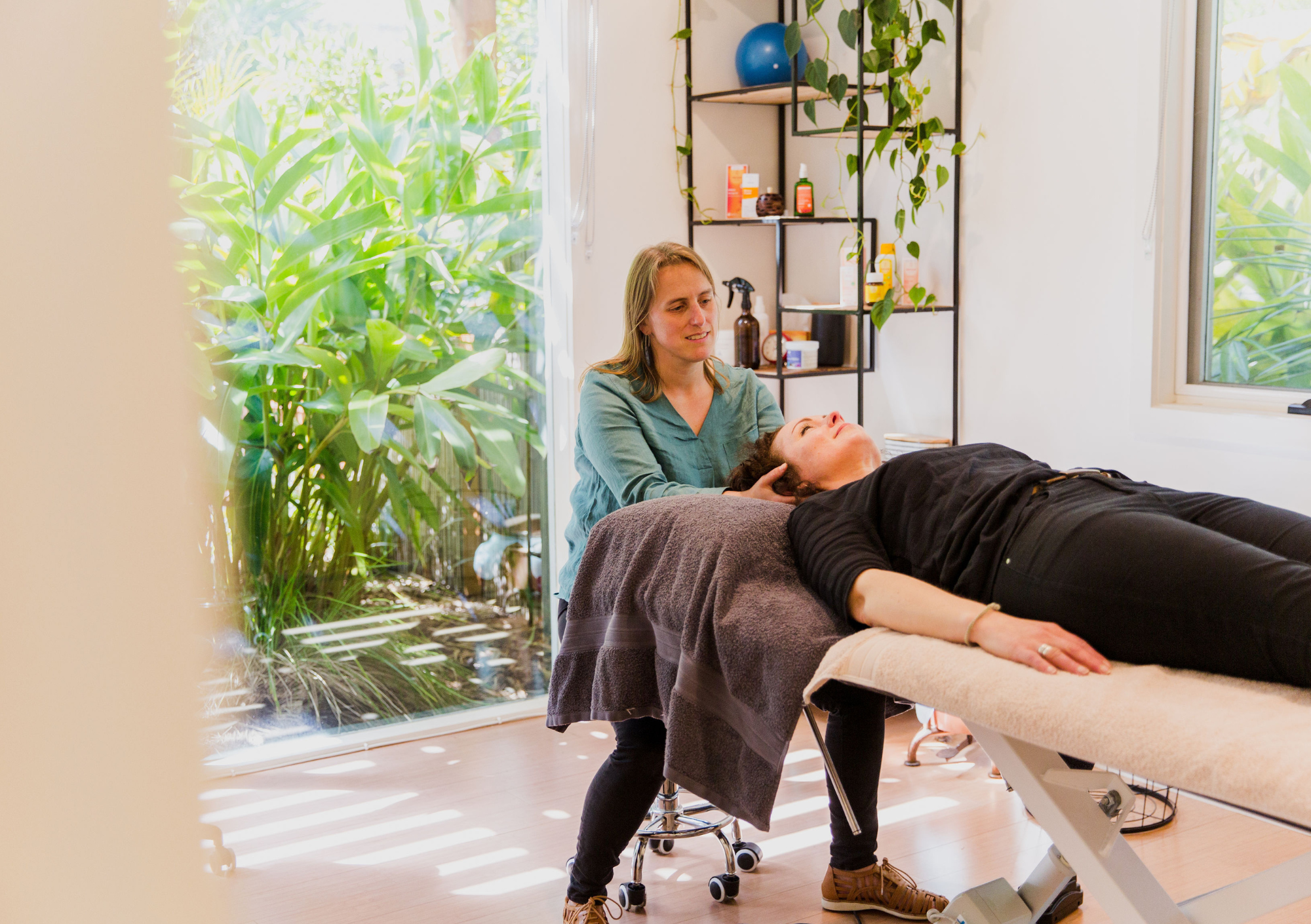
A whole-person approach to care
Cranial osteopathy is grounded in the understanding that the body functions as an interconnected whole, rather than a collection of isolated parts or symptoms. This approach places importance on regulation, balance and the way the body responds to physical, emotional and environmental stressors over time.
Rather than working to a fixed technique or outcome, care is guided by what is present for the individual on the day. Attention is given to subtle patterns of tension, movement and responsiveness, with sessions paced to support settling, clarity and safety.
People may come to cranial osteopathy when navigating complex or long-standing concerns, including migraines and headaches, concussion or post-concussion symptoms, chronic pain or fatigue, nervous system overload, or periods of significant change such as pregnancy or early life. Babies, children and adults may all access this form of care, depending on individual needs.
The focus remains on supporting the person as a whole, respecting individual experience and working collaboratively within a calm, considered framework.
What to expect

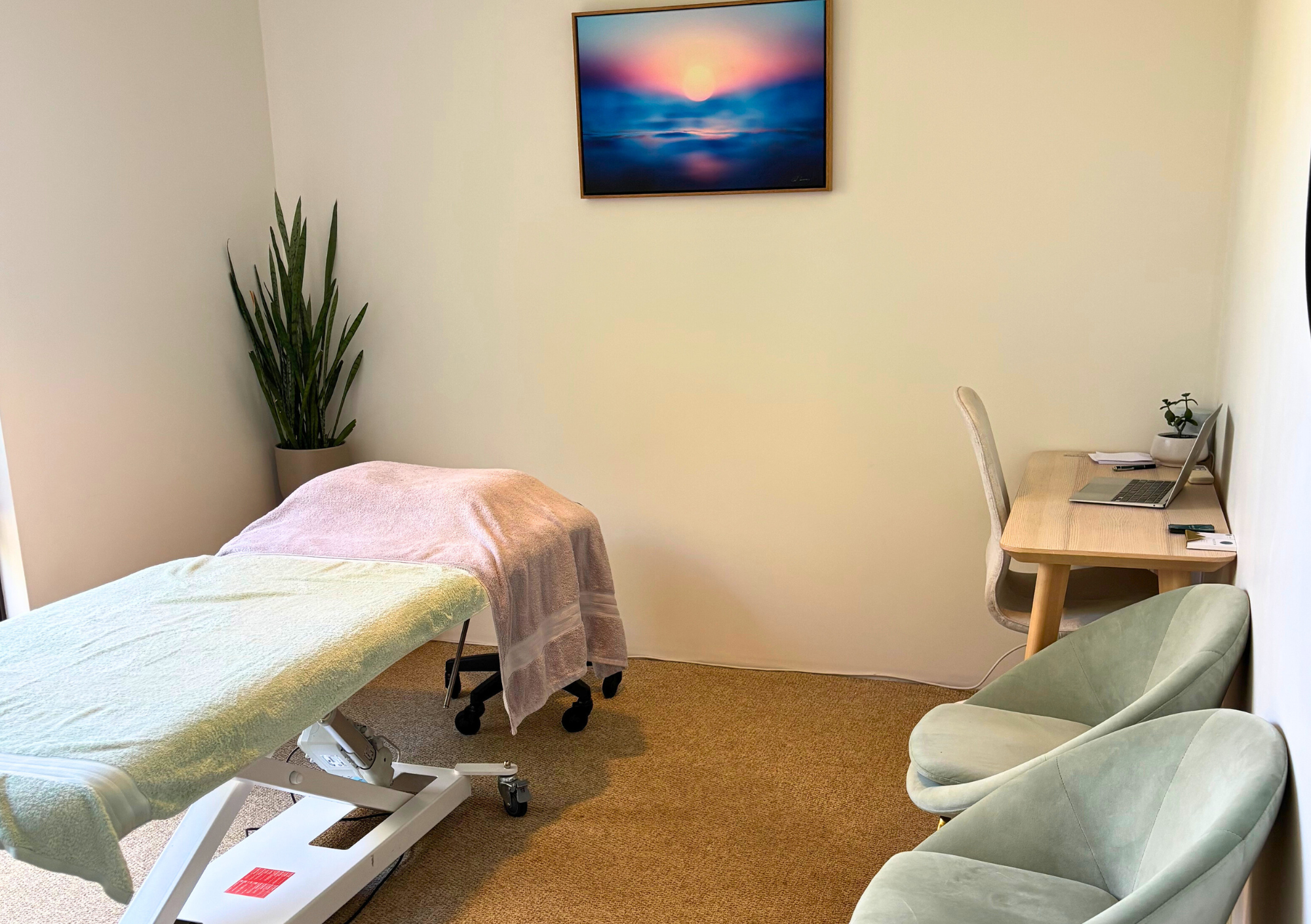
A Cranial Osteopathy session takes place in a calm, quiet setting and begins with a conversation about what has brought you in and how you are feeling on the day. This helps shape the session and ensures care is responsive to your needs and preferences.
Sessions involve light hands-on contact, typically with the practitioner’s hands resting at the head, neck or torso or limbs, while you remain fully clothed. The pace is unhurried, with attention given to how your body responds moment by moment rather than applying force or working to a predetermined technique.
Throughout the session, care is guided by listening, consent and collaboration. Time is taken to allow the body to settle and respond, particularly for those navigating complex concerns, ongoing stress or heightened sensitivity.
Each session is individual. What unfolds is shaped by the person in front of the practitioner on the day, rather than a standardised process.
Experiences that bring people to Cranial Osteopathy
People come to cranial osteopathy for many different reasons. It is often sought when experiences are complex, long-standing, or influenced by stress, overload, or sensitivity within the nervous system.
A Cranial Osteopathy approach may be supportive for people navigating:
Migraines and recurring headaches
Jaw tension, facial pain or TMJ-related discomfort
Concussion and post-concussion symptoms
Chronic pain, fatigue or complex health presentations
Sleep disruption or difficulty settling
Nervous system overload, burnout or prolonged stress
Babies and children experiencing tension or unsettled patterns
Periods of physical or emotional change, including pregnancy and the postnatal period
Care is directed toward understanding how the whole body is responding and adapting, rather than focusing solely on a symptom, diagnosis or area of injury.
Cranial osteopathy may feel supportive if you are seeking care that is paced, responsive and attentive to how your whole body is adapting over time.
It is often chosen by people who feel overwhelmed by more directive approaches, or who are navigating complexity, sensitivity or long-standing concerns where a single focus on symptoms has not felt sufficient.
Sessions are shaped collaboratively and move at a pace that respects your nervous system, capacity and lived experience. There is no expectation to “push through” or fit a predefined model of treatment.