Lymphatic Massage for Fluid Retention
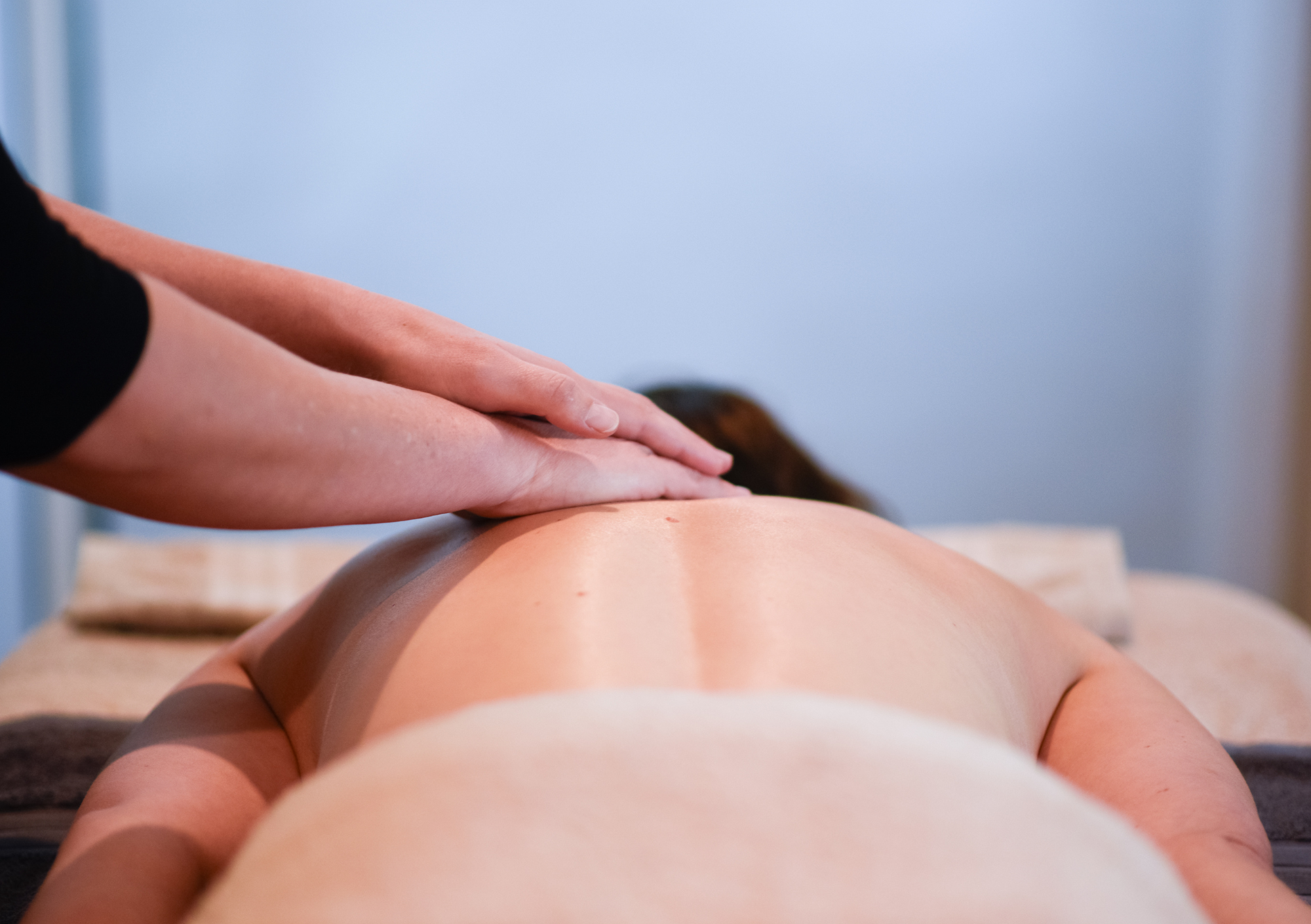
A gentle, supportive approach to swelling and heaviness
Fluid retention can feel uncomfortable, frustrating, and sometimes confusing. You may notice swelling in your legs, ankles, abdomen, face, or arms. Rings or shoes may feel tighter. There may be a sense of heaviness or puffiness that comes and goes.
For many people, lymphatic-focused remedial massage can offer a gentle and effective way to support the body’s natural fluid balance and ease these symptoms.
Understanding fluid retention
Fluid retention (oedema) occurs when excess fluid collects in the body’s tissues. This can happen for many reasons, including:
prolonged sitting or standing
hormonal changes
pregnancy or postpartum recovery
injury or surgery
lymphatic congestion or reduced lymph flow
some medications or health conditions
While mild or temporary swelling is common, persistent fluid retention can place extra strain on tissues and may affect comfort, mobility, and wellbeing.
The systems that regulate fluid balance in the body also interact with the nervous system and stress responses. We explore this connection further in our article on nervous system regulation.
The role of the lymphatic system
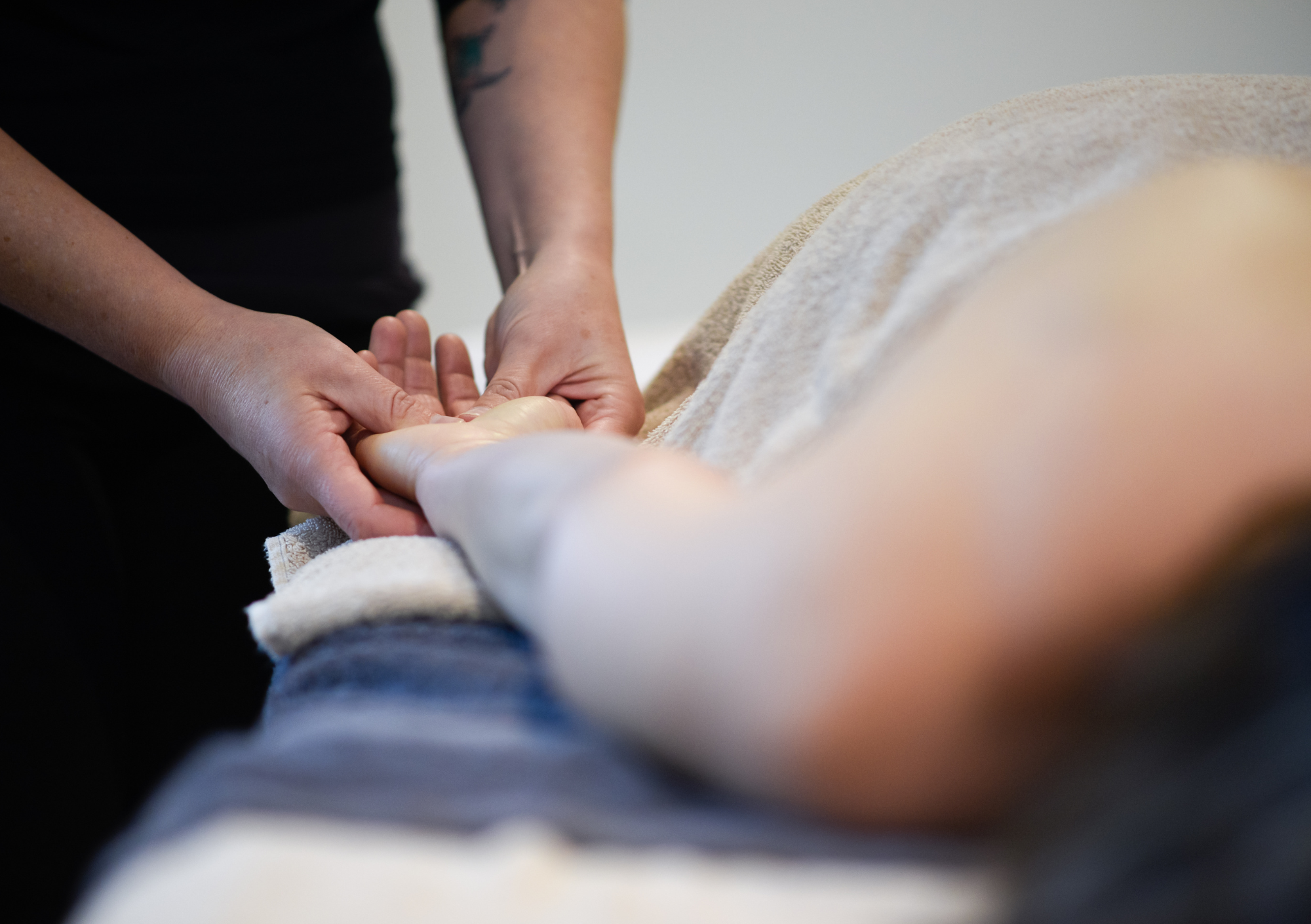
The lymphatic system helps regulate fluid balance, immune activity, and waste removal. It relies on gentle movement, breathing, and muscle activity to circulate lymph fluid.
Unlike the bloodstream, the lymphatic system has no central pump. When flow slows or becomes congested, fluid can accumulate in tissues. This is where lymphatic-focused massage can help support natural drainage pathways.
How lymphatic massage supports fluid balance
Lymphatic massage (manual lymphatic drainage) uses slow, rhythmic, and very light techniques designed to:
encourage lymph flow toward healthy drainage areas
reduce tissue congestion and swelling
support circulation and fluid movement
ease sensations of heaviness or tightness
support recovery after surgery or injury
promote nervous system settling
Because the lymphatic vessels sit close to the skin surface, the pressure is gentle rather than deep. Many people find the treatment deeply calming as well as physically relieving.
Who may benefit
Lymphatic-trained remedial massage may be helpful for people experiencing:
swelling in legs, ankles, arms, or abdomen
pregnancy or postpartum fluid retention
post-surgical swelling (with medical clearance)
lymphatic congestion after illness or injury
hormonal fluid shifts
a feeling of puffiness or heaviness
If fluid retention is new, sudden, or associated with medical conditions, medical assessment is recommended alongside supportive therapy.
What to expect in a session
Sessions are slow-paced and deeply gentle. Treatment often begins at central drainage areas (such as the neck and trunk) before working toward areas of swelling, supporting the body’s natural pathways.
People commonly report:
a gradual reduction in swelling
lighter or less heavy sensation
improved comfort in clothing or shoes
a sense of calm or relaxation
For persistent fluid retention, a short series of sessions is often more effective than a single treatment, as the lymphatic system responds best to consistent, gentle stimulation.
Supporting lymphatic flow between sessions
Small daily habits can support fluid balance:
gentle movement or walking
diaphragmatic breathing
hydration
elevating swollen limbs
avoiding prolonged stillness
Your practitioner can guide you with simple strategies suited to your situation.
A gentle, supportive approach
Fluid retention is common and often multifactorial. Lymphatic-focused remedial massage offers a calm, non-invasive way to support the body’s natural fluid regulation and ease discomfort.
If you’re experiencing swelling, heaviness, or lymphatic congestion, lymphatic massage may help you feel more comfortable and supported in your body.
Holistic OM
Autumn Ryan is a lymphatic-trained remedial massage therapist at Holistic OM in Ocean Grove & Queenscliff, supporting fluid balance, recovery, and gentle therapeutic care.
Frequently Asked Questions About Lymphatic Massage and Fluid Retention
What is lymphatic drainage massage?
Lymphatic drainage massage is a gentle technique designed to support the movement of lymph fluid through the lymphatic vessels. It uses light rhythmic strokes rather than deep pressure and focuses on encouraging fluid movement through the lymphatic system.
Can lymphatic massage help fluid retention?
Some people seek lymphatic massage when experiencing fluid retention or swelling. Gentle manual techniques may help support lymphatic circulation and encourage fluid movement within the body.
What causes fluid retention in the body?
Fluid retention can occur for many reasons, including hormonal changes, reduced movement, injury, inflammation or changes in circulation. The lymphatic system helps move excess fluid away from tissues as part of the body’s natural regulation processes.